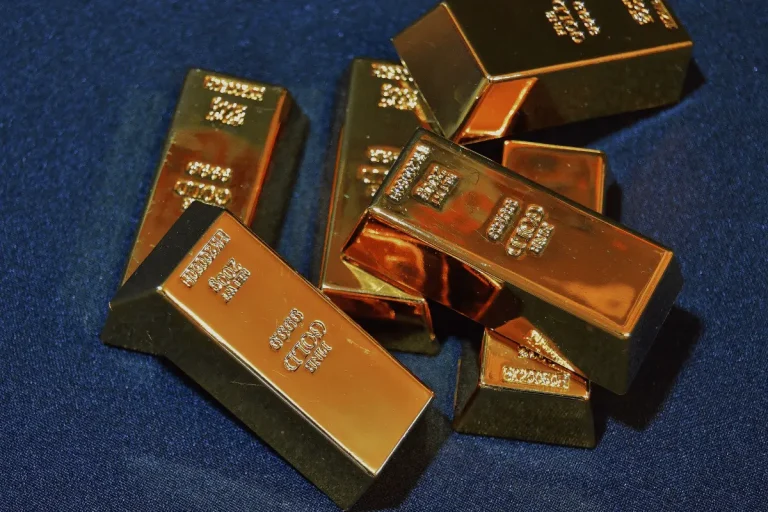
Gold Due Diligence in Kenya: Legal Checks Before Buying Gold
Buying gold in Kenya can involve significant financial and legal risks, particularly where a transaction involves unfamiliar sellers, brokers, agents or cross-border buyers.
Before paying a deposit, transferring substantial funds or signing a Gold Sale and Purchase Agreement, a prospective buyer should conduct appropriate due diligence on the seller, documentation, regulatory position and proposed transaction.
This is particularly important for international buyers considering gold transactions in Kenya from abroad.
Due diligence does not guarantee that a transaction will be successful or risk-free. However, appropriate independent checks can help identify warning signs and legal or commercial issues before significant funds are committed.
WKA Advocates can assist with the legal aspects of gold due diligence in Kenya, including seller and company verification, document review, regulatory checks, contract drafting and review, and advice on the proposed transaction structure.
What Is Gold Due Diligence?
Gold due diligence is the process of carrying out appropriate checks before entering into a gold purchase or related transaction.
The scope of due diligence will depend on the circumstances, but a buyer may need to investigate:
- The identity of the seller
- The seller’s company, where applicable
- The authority of individuals representing a company
- The role of brokers, agents and intermediaries
- Relevant licences, permits or authorizations
- Transaction documents
- The source and ownership of the gold
- The proposed quantity and description
- Verification arrangements
- Payment arrangements
- Delivery arrangements
- Applicable regulatory requirements
The objective is to understand who you are dealing with, what is being sold and how the proposed transaction is structured before committing substantial funds.
Why Is Due Diligence Important When Buying Gold in Kenya?
Gold transactions can involve significant sums of money and multiple parties.
A proposed transaction may involve a seller, company, broker, agent, introducer, transporter, verifier or other intermediary.
Before proceeding, a buyer should have reasonable confidence that the parties and transaction are legitimate and that applicable legal and regulatory requirements are being addressed.
Proper due diligence may help identify concerns involving:
- Seller identity
- Company ownership or status
- Authority to enter into the transaction
- Licensing or regulatory compliance
- Inconsistent documentation
- Unclear ownership or source
- Unexplained intermediaries
- Payment requests
- Contractual terms
- Verification and delivery arrangements
Identifying concerns early may allow the buyer to seek further clarification, obtain additional documentation or reconsider whether to proceed.
1. Verify the Gold Seller
The first step in gold transaction due diligence in Kenya is establishing exactly who you are dealing with.
If the seller is an individual, appropriate identity and background checks should be considered.
If the seller is a company, due diligence may include reviewing relevant corporate information and establishing who has authority to represent the business.
Depending on the transaction, relevant questions may include:
- Who is the actual seller?
- Is the seller an individual or company?
- Does the company exist and operate as represented?
- Who owns or controls the company?
- Who is authorized to sign transaction documents?
- What is the seller’s role in relation to the gold?
- Are applicable licences or authorizations required?
- Are there inconsistencies in the information provided?
Do not assume that a business card, website, company document or introduction from a broker is sufficient verification on its own.
WKA Advocates can assist with seller and company due diligence and review available information before you proceed with the transaction.
2. Check Applicable Licences and Regulatory Requirements
Gold and mineral transactions may be subject to legal, licensing and regulatory requirements in Kenya.
The requirements applicable to a particular transaction can depend on the activities being undertaken and the parties involved.
A buyer should therefore consider whether the seller and other relevant participants have the legal authority and applicable licences, permits or approvals required for their activities.
Documents presented as licences or permits should not automatically be assumed to be genuine or sufficient merely because copies have been provided.
Where appropriate, they should be independently checked.
WKA Advocates can advise on the legal and regulatory aspects of the proposed transaction and assist with appropriate verification.
3. Review the Gold Transaction Documents
A prospective buyer may receive numerous documents relating to a proposed gold transaction.
These documents should be reviewed carefully rather than accepted at face value.
Depending on the transaction, documentation may relate to:
- The seller
- The seller’s company
- Licensing or authorization
- Ownership or source
- Quantity and description
- Testing or verification
- Transportation
- Delivery
- Commercial terms
- Payment arrangements
- Other regulatory matters
The relevance and authenticity of documents should be considered in the context of the overall transaction.
If different documents contain inconsistent names, quantities, dates, company information or transaction details, those discrepancies should be addressed before proceeding.
WKA Advocates can review gold transaction documents and identify matters requiring clarification or additional verification.
4. Understand the Source and Ownership of the Gold
A buyer should seek to understand where the gold comes from and whether the party offering it has the legal right and authority to sell it.
This is an important part of both legal and commercial due diligence.
Depending on the transaction, additional questions may arise concerning the source, ownership, regulatory compliance and documentation relating to the gold.
Where the seller’s explanation of ownership or source is unclear or inconsistent, the buyer should not simply rely on verbal assurances.
Further verification may be necessary before proceeding.
5. Independently Verify the Gold
Documentation alone does not establish the physical existence, quantity, quality or characteristics of gold being offered.
Depending on the transaction, appropriate independent inspection, testing, weighing or other professional verification may therefore be required.
Buyers should consider using appropriately qualified and independent professionals for technical verification.
Legal due diligence and physical verification perform different functions.
A lawyer can assist with the legal and contractual aspects of the verification arrangements, but technical matters such as purity, weight and physical characteristics should be handled by appropriately qualified specialists.
WKA Advocates can help ensure that the contractual documentation appropriately addresses the agreed verification process.
6. Identify Brokers, Agents and Intermediaries
Gold transactions may involve several brokers, agents, introducers or representatives.
Where multiple intermediaries are involved, the buyer should establish:
- Who the actual seller is
- Who owns or controls the gold
- Who has authority to negotiate
- Who has authority to sign
- What role each intermediary performs
- Who will receive payments
- Why each party is involved in the transaction
An unnecessarily complicated chain of intermediaries can make it difficult to understand who is legally responsible for the transaction.
WKA Advocates can review the transaction structure and assist in clarifying the roles of the parties involved.
This can be particularly important for international buyers conducting negotiations remotely.
7. Be Cautious With Advance Payment Requests
Due diligence should ideally be completed before substantial funds are transferred.
A buyer should clearly understand:
- Why a payment is required
- Who will receive the money
- What contractual obligation the payment relates to
- What must happen before payment
- What documentation supports the payment
- What happens if the transaction does not proceed
Requests for substantial advance payments should be carefully evaluated.
Pressure to make urgent payments before independent verification or legal review should be treated cautiously.
WKA Advocates can review proposed payment arrangements and advise on contractual safeguards before significant funds are committed.
8. Use a Proper Gold Sale and Purchase Agreement
If the buyer decides to proceed after appropriate due diligence, the commercial terms should be recorded in a properly drafted Gold Sale and Purchase Agreement.
Depending on the transaction, the agreement may address matters such as:
- Identity of the buyer and seller
- Description of the gold
- Quantity
- Agreed price or pricing mechanism
- Verification procedures
- Payment arrangements
- Delivery
- Representations and warranties
- Responsibilities of the parties
- Conditions that must be satisfied before completion
- Default and termination
- Dispute resolution
- Other agreed commercial terms
The contract should reflect the actual transaction rather than relying on generic documentation that may not address the relevant risks.
WKA Advocates can draft or review Gold Sale and Purchase Agreements and advise on the legal terms before execution.
9. Consider Compliance and Source-of-Funds Requirements
High-value transactions can involve additional compliance considerations.
Depending on the transaction and parties involved, questions relating to source of funds, beneficial ownership, anti-money laundering requirements and other compliance obligations may need to be addressed.
Buyers should be cautious about transaction structures designed to obscure the identity of participants, the destination of funds or the commercial purpose of payments.
Professional legal, financial and compliance advice may be appropriate depending on the circumstances.
10. Get Independent Local Legal Advice
For international buyers, conducting gold due diligence in Kenya from abroad can be particularly challenging.
Documents, photographs, videos and assurances supplied remotely should not replace independent verification.
Having local legal counsel can help you conduct appropriate checks and communicate directly with relevant parties before travelling or committing substantial funds.
WKA Advocates can act as independent Kenyan legal counsel and assist with the legal aspects of the proposed transaction.
Buying Gold in Kenya From Abroad
International buyers may be introduced to proposed Kenyan gold transactions through business contacts, brokers, agents or online communications.
Before travelling to Kenya or transferring money, it is advisable to conduct appropriate independent checks.
Depending on the circumstances, WKA Advocates can assist by:
- Reviewing the proposed transaction
- Conducting seller or company due diligence
- Reviewing corporate information
- Reviewing licences and other transaction documents
- Advising on applicable legal requirements
- Communicating with relevant parties
- Reviewing the proposed transaction structure
- Drafting or reviewing contractual documentation
- Advising on payment arrangements
- Supporting negotiations
- Coordinating with appropriate independent professionals where necessary
This can allow an international buyer to obtain local legal input before deciding whether to proceed further.
Warning Signs in a Proposed Gold Transaction
No single factor necessarily proves that a transaction is improper. However, buyers should investigate unusual circumstances carefully.
Potential concerns may include:
- Pressure to transfer money urgently
- Requests for significant advance payments before verification
- Unclear seller identity
- Unclear ownership of the gold
- Multiple unexplained intermediaries
- Payments requested to unrelated individuals or entities
- Inconsistent company information
- Documents containing conflicting information
- Resistance to independent verification
- Unclear licensing or regulatory status
- Reluctance to involve independent lawyers or professional advisers
- Commercial terms that appear unrealistic
Where concerns arise, further due diligence should be conducted before proceeding.
Gold Due Diligence Checklist in Kenya
Before entering into a significant gold transaction, consider whether you have:
- Verified the seller
- Verified relevant company information
- Confirmed the authority of company representatives
- Identified brokers and intermediaries
- Considered applicable licensing requirements
- Reviewed relevant licences and permits
- Reviewed transaction documents
- Investigated the source and ownership of the gold
- Arranged appropriate independent technical verification
- Reviewed payment arrangements
- Understood who will receive the funds
- Reviewed the proposed Sale and Purchase Agreement
- Considered applicable compliance requirements
- Obtained independent professional advice where appropriate
The precise due diligence required will depend on the transaction, so this should not be treated as an exhaustive checklist.
How WKA Advocates Can Assist With Gold Due Diligence in Kenya
WKA Advocates can provide legal assistance to buyers and investors considering gold transactions in Kenya.
Depending on the circumstances, our services may include:
- Seller and company due diligence
- Corporate verification
- Reviewing transaction documents
- Advising on relevant legal and regulatory requirements
- Reviewing licences and authorizations
- Reviewing the proposed transaction structure
- Drafting and reviewing Gold Sale and Purchase Agreements
- Advising on contractual payment arrangements
- Reviewing broker, agent and intermediary arrangements
- Communicating with sellers and other parties
- Supporting negotiations
- Coordinating with appropriate independent professionals
- Providing legal support through the transaction
Our role is to help clients understand the legal aspects of the proposed transaction and make more informed commercial decisions.
Do Your Due Diligence Before You Buy Gold
A proposed gold transaction may appear commercially attractive, but decisions involving substantial amounts of money should be based on appropriate independent checks rather than promises or documentation supplied by interested parties alone.
Proper gold due diligence in Kenya can help you better understand the seller, transaction structure, documentation, regulatory position and contractual arrangements before committing funds.
Due diligence cannot eliminate every commercial risk, but it can help identify issues that deserve further investigation.
Considering Buying Gold in Kenya?
Before making substantial payments or signing transaction documents, consider obtaining independent legal and professional advice.
WKA Advocates can assist with the legal aspects of gold due diligence in Kenya, including seller verification, company checks, document review, regulatory considerations, Gold Sale and Purchase Agreements and transaction support.
Whether you are based in Kenya or overseas, our team can provide local legal assistance before and during a proposed transaction.
Contact WKA Advocates to discuss legal due diligence for a proposed gold transaction in Kenya.